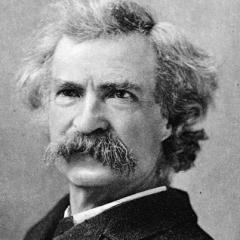
Edmund spenser quotes
Explore a curated collection of Edmund spenser's most famous quotes. Dive into timeless reflections that offer deep insights into life, love, and the human experience through his profound words.

To be wise and eke to love, Is granted scarce to gods above.
What more felicity can fall to creature, than to enjoy delight with liberty?
It often falls, in course of common life, that right long time is overborne of wrong.
Fresh spring the herald of love's mighty king.
Those that were up themselves, kept others low; Those that were low themselves, held others hard; He suffered them to ryse or greater grow; But every one did strive his fellow down to throw.
Gather the rose of love whilst yet is time.
I was promised on a time To have reason for my rhyme; From that time unto this season, I received nor rhyme nor reason.
Full many mischiefs follow cruel wrath; Abhorred bloodshed and tumultuous strife Unmanly murder and unthrifty scath, Bitter despite, with rancor's rusty knife; And fretting grief the enemy of life; All these and many evils more, haunt ire.
All that in this delightful garden grows should happy be and have immortal bliss.
Fly from wrath; sad be the sights and bitter fruits of war; a thousand furies wait on wrathful swords.
Through knowledge we behold the world's creation, How in his cradle first he fostered was; And judge of Nature's cunning operation, How things she formed of a formless mass.
Woe to the man that first did teach the cursed steel to bite in his own flesh, and make way to the living spirit!
One day I wrote her name upon the strand, But came the waves and washèd it away: Again I wrote it with a second hand, But came the tide and made my pains his prey. Vain man (said she) that dost in vain assay A mortal thing so to immortalise; For I myself shall like to this decay, And eke my name be wipèd out likewise. Not so (quod I); let baser things devise To die in dust, but you shall live by fame; My verse your virtues rare shall eternise, And in the heavens write your glorious name: Where, when as Death shall all the world subdue, Our love shall live, and later life renew.
But times do change and move continually.
Change still doth reign, and keep the greater sway.
Who will not mercy unto others show, How can he mercy ever hope to have?
For easy things, that may be got at will, Most sorts of men do set but little store.
Sweet is the rose, but grows upon a brere; Sweet is the juniper, but sharp his bough; Sweet is the eglantine, but stiketh nere; Sweet is the firbloome, but its braunches rough; Sweet is the cypress, but its rynd is tough; Sweet is the nut, but bitter is his pill; Sweet is the broome-flowre, but yet sowre enough; And sweet is moly, but his root is ill.
All flesh doth frailty breed!
Ill can he rule the great that cannot reach the small.
Me seemes the world is runne quite out of square,From the first point of his appointed sourse,And being once amisse growes daily wourse and wourse.
Foul jealousy! that turnest love divine to joyless dread, and makest the loving heart with hateful thoughts to languish and to pine.
Unhappie Verse, the witnesse of my unhappie state, Make thy selfe fluttring wings of thy fast flying Thought
Make haste therefore, sweet love, whilst it is prime, For none can call again the passed time.
Her angel's face, As the great eye of heaven shined bright, And made a sunshine in the shady place.
So passeth, in the passing of a day, Of mortal life, the leaf, the bud, the flower; No more doth flourish after first decay, That erst was sought to deck both bed and bower Of many a lady and many a paramour. Gather therefore the rose whilst yet in prime, For soon comes age that will her pride deflower. Gather the rose of love whilst yet in time, Whilst loving thou mayst loved be with equal crime.
After her came jolly June, arrayed All in green leaves, as he a player were; Yet in his time he wrought as well as played, That by his plough-irons mote right well appear. Upon a crab he rode, that did him bear, With crooked crawling steps, an uncouth pace, And backward rode, as bargemen wont to fare, Bending their force contrary to their face; Like that ungracious crew which feigns demurest grace.
In vain he seeketh others to suppress, Who hath not learn'd himself first to subdue.
In one consort there sat cruel revenge and rancorous despite, disloyal treason and heart-burning hate.
Ill seemes (sayd he) if he so valiant be, That he should be so sterne to stranger wight; For seldom yet did living creature see That courtesie and manhood ever disagree.
Laws ought to be fashioned unto the manners and conditions of the people whom they are meant to benefit, and not imposed upon them according to the simple rule of right.
Sluggish idleness--the nurse of sin.
He oft finds med'cine, who his griefe imparts; But double griefs afflict concealing harts, As raging flames who striveth to supresse.
Rising glory occasions the greatest envy, as kindling fire the greatest smoke.
Go little book, thy self present, As child whose parent is unkent: To him that is the president Of noblesse and of chivalry, And if that Envy bark at thee, As sure it will, for succour flee.
Ah! when will this long weary day have end, And lende me leave to come unto my love? - Epithalamion
But O the exceeding grace Of highest God, that loves his creatures so, And all his works with mercy doth embrace, That blessed angels, he sends to and fro, To serve to wicked man, to serve his wicked foe.
There is continual spring, and harvest there Continual, both meeting at one time: For both the boughs do laughing blossoms bear, And with fresh colours deck the wanton prime, And eke attonce the heavy trees they climb, Which seem to labour under their fruits load: The whiles the joyous birds make their pastime Amongst the shady leaves, their sweet above, And their true loves without suspicion tell abroad.
Waking love suffereth no sleepe: Say, that raging love dothe appall the weake stomacke: Say, that lamenting love marreth the musicall.
The poets scrolls will outlive the monuments of stone. Genius survives; all else is claimed by death.
Nothing under heaven so strongly doth allure the sense of man, and all his mind possess, as beauty's love.
All love is sweet Given or returned And its familiar voice wearies not ever.
The Patron of true Holinesse, Foule Errour doth defeate: Hypocrisie him to entrappe, Doth to his home entreate.
Who would ever care to do brave deed, Or strive in virtue others to excel, If none should yield him his deserved meed Due praise, that is the spur of doing well? For if good were not praised more than ill, None would choose goodness of his own free will.
My Love is like to ice, and I to fire: How comes it then that this her cold so great Is not dissolved through my so hot desire, But harder grows the more I her entreat?
Sweet breathing Zephyrus did softly play, A gentle spirit, that lightly did delay Hot Titan's beams, which then did glister fair
Be bold, and everywhere be bold.
But Justice, though her dome she doe prolong, Yet at the last she will her owne cause right.
So furiously each other did assayle, As if their soules they would attonce haue rent Out of their brests, that streames of bloud did rayle Adowne, as if their springes of life were spent; That all the ground with purple bloud was sprent, And all their armours staynd with bloudie gore, Yet scarcely once to breath would they relent, So mortall was their malice and so sore, Become of fayned friendship which they vow'd afore.
But angels come to lead frail minds to rest in chaste desires, on heavenly beauty bound. You frame my thoughts, and fashion me within; you stop my tongue, and teach my heart to speak.
So let us love, dear Love, like as we ought; Love is the lesson which the Lord us taught.
good Hobbinoll, what garres thee greete? What! hath some wolfe thy tender lambes ytorne? Or is thy bagpype broke, that soundes so sweete? Or art thou of thy loved lasse forlorne?
For evil deeds may better than bad words be borne.
And painefull pleasure turnes to pleasing paine.
Gold all is not that doth golden seem.
For that which all men then did virtue call, Is now called vice; and that which vice was hight, Is now hight virtue, and so used of all: Right now is wrong, and wrong that was is right
The merry cuckow, messenger of Spring, His trumpet shrill hath thrice already sounded.
Oft stumbles at a straw.
Greatest god below the sky.
So Orpheus did for his owne bride, So I unto my selfe alone will sing, The woods shall to me answer and my Eccho ring.
How many great ones may remember'd be, Which in their days most famously did flourish, Of whom no word we hear, nor sign now see, But as things wip'd out with a sponge do perish, Because the living cared not to cherish No gentle wits, through pride or covetize, Which might their names forever memorize!
I hate the day, because it lendeth light To see all things, but not my love to see.
Fondnesse it were for any being free, To covet fetters, though they golden bee.
Hard it is to teach the old horse to amble anew.
Full little knowest thou that hast not tried, What hell it is in suing long to bide: To loose good dayes, that might be better spent; To waste long nights in pensive discontent; To speed to-day, to be put back to-morrow; To feed on hope, to pine with feare and sorrow.
Beauty is not, as fond men misdeem, an outward show of things that only seem.
Joy may you have and gentle hearts content Of your loves couplement: And let faire Venus, that is Queene of love, With her heart-quelling Sonne upon you smile
All that in this world is great or gay, Doth, as a vapor, vanish and decay.
What man so wise, what earthly wit so ware, As to descry the crafty cunning train, By which deceit doth mask in visor fair, And cast her colours dyed deep in grain, To seem like truth, whose shape she well can feign, And fitting gestures to her purpose frame, The guiltless man with guile to entertain?
Men, when their actions succeed not as they would, are always ready to impute the blame thereof to heaven, so as to excuse their own follies.
This iron world bungs down the stoutest hearts to lowest state; for misery doth bravest minds abate.
And painful pleasure turns to pleasing pain.
The man whom nature's self had made to mock herself, and truth to imitate.
A circle cannot fill a triangle, so neither can the whole world, if it were to be compassed, the heart of man; a man may as easily fill a chest with grace as the heart with gold. The air fills not the body, neither doth money the covetous mind of man.
A Gentle Knight was pricking on the plaine.
Man's wretched state, That floures so fresh at morne, and fades at evening late.
For since mine eyes your joyous sight did miss, my cheerful day is turned to cheerless night.
What man that sees the ever-whirling wheel Of Change, the which all mortal things doth sway.
For deeds to die, however nobly done, And thoughts of men to as themselves decay, But wise words taught in numbers for to run, Recorded by the Muses, live for ay.
Discord oft in music makes the sweeter lay.
All for love, and nothing for reward.
Ah, fool! faint heart fair lady ne'er could win.
Bright as does the morning star appear, Out of the east with flaming locks bedight, To tell the dawning day is drawing near.
She bathed with roses red, And violets blew. And all the sweetest flowres That in the forrest grew.
So much more profitable and gracious is doctrine by example than by rule.
What though the sea with waves continuall Doe eate the earth, it is no more at all ; Ne is the earth the lesse, or loseth ought : For whatsoever from one place doth fall Is with the tyde unto another brought : For there is nothing lost, that may be found if sought.
Like as the culver on the bared bough Sits mourning for the absence of her mate
Lastly came Winter cloathed all in frize, Chattering his teeth for cold that did him chill; Whilst on his hoary beard his breath did freese, And the dull drops, that from his purpled bill As from a limebeck did adown distill: In his right hand a tipped staffe he held, With which his feeble steps he stayed still; For he was faint with cold, and weak with eld; That scarce his loosed limbes he hable was to weld.
Fretting grief the enemy of life.
Good is no good, but if it be spend, God giveth good for none other end.
All sorts of flowers the which on earth do spring In goodly colours gloriously arrayed; Go to my love, where she is careless laid
The noblest mind the best contentment has
And he that strives to touch the stars Oft stumbles at a straw.
For we by conquest, of our soveraine might,And by eternall doome of Fate's decree,Have wonne the Empire of the Heavens bright.
Together linkt with adamantine chains.
No daintie flowre or herbe that growes on grownd, No arborett with painted blossoms drest And smelling sweete, but there it might be fownd To bud out faire, and throwe her sweete smels al arownd.
For next to Death is Sleepe to be compared; Therefore his house is unto his annext: Here Sleepe, ther Richesse, and hel-gate them both betwext.
Death is an equall doome To good and bad, the common In of rest.
There is no disputing about taste.
Vaine is the vaunt, and victory unjust, that more to mighty hands, then rightfull cause doth trust.
For if good were not praised more than ill, None would chuse goodness of his own free will.
There learned arts do flourish in great honour And poets's wits are had in peerless price; Religion hath lay power, to rest upon her, Advancing virtue, and suppressing vice. For end all good, all grace there freely grows, Had people grace it gratefully to use: For God His gifts there plenteously bestows, But graceless men them greatly do abuse.
O happy earth, Whereon thy innocent feet doe ever tread!
The gentle mind by gentle deeds is known, For a man by nothing is so well betrayed As by his manners.
And through the hall there walked to and fro A jolly yeoman, marshall of the same, Whose name was Appetite; he did bestow Both guestes and meate, whenever in they came, And knew them how to order without blame.
The fish once caught, new bait will hardly bite.
O sacred hunger of ambitious minds.
Each goodly thing is hardest to begin.
Such is the power of love in gentle mind, That it can alter all the course of kind.
Much can they praise the trees so straight and high, The sailing pine,the cedar proud and tall, The vine-prop elm, the poplar never dry, The builder oak, sole king of forests all, The aspin good for staves, the cypress funeral, The laurel, meed of mighty conquerors And poets sage, the fir that weepest still, The yew obedient to the bender's will, The birch for shafts, the sallow for the mill, The myrrh sweet-bleeding in the bitter wound, The warlike beech, the ash for nothing ill, The fruitful olive, and the platane round, The carver holm, the maple seldom inward sound.
A sweet attractive kind of grace, A full assurance given by looks, Continual comfort in a face, The lineaments of Gospel books-- I trow that countenance cannot lye Whose thoughts are legible in the eye.
I learned have, not to despise,What ever thing seemes small in common eyes.
What more felicitie can fall to creature Than to enjoy delight with libertie, And to be lord of all the workes of Nature, To raine in th' aire from earth to highest skie, To feed on flowres and weeds of glorious feature.
For there is nothing lost, that may be found, if sought.
The nightingale is sovereign of song.
Vain-glorious man, when fluttering wind does blow In his light wing's, is lifted up to sky; The scorn of-knighthood and true chivalry. To think, without desert of gentle deed And noble worth, to be advanced high, Such praise is shame, but honour, virtue's meed, Doth bear the fairest flower in honourable seed.
Yet is there one more cursed than they all, That canker-worm, that monster, jealousie, Which eats the heart and feeds upon the gall, Turning all love's delight to misery, Through fear of losing his felicity.
From good to bad, and from bad to worse, From worse unto that is worst of all, And then return to his former fall.
For whatsoever from one place doth fall, Is with the tide unto an other brought: For there is nothing lost, that may be found, if sought.
Thankfulness is the tune of angels.
Why then should witless man so much misweene That nothing is but that which he hath seene?
So passeth, in the passing of a day, Of mortall life the leafe, the bud, the flowre
Hasty wrath and heedless hazardy do breed repentance late and lasting infamy.
The gentle minde by gentle deeds is knowne.
How many perils doe enfold The righteous man to make him daily fall.